Hot Tub & Swim Spa Running Costs UK: What You'll Really Pay
Are Hot Tubs Expensive to Run?
Great news: a well-insulated, well-maintained hot tub is far cheaper to run than most people expect! Running costs are mainly electricity (heating, pumps and filtration), plus chemicals, filters and servicing. Costs vary with the tub, your tariff and how you use it, so the figures below are typical UK estimates, not guarantees.
How Much Does a Hot Tub Cost to Run Per Month?
As a guide, most modern, insulated 13A plug-and-play and 32A hot tubs cost roughly £30 to £90 per month in electricity, depending on size, season, temperature and electricity price. Add around £15 to £30 per month for chemicals and occasional filter replacement, and you get a realistic all-in monthly budget. Winter sits at the top of the range, summer at the bottom.
What Affects Hot Tub Running Costs?
- Insulation and cover: The biggest factor. Full-foam or well-insulated cabinets and a thick, well-fitting, undamaged cover keep heat in. A worn cover can noticeably increase your bill.
- Water temperature: Every degree costs money. Most people soak at 36 to 38°C; dropping the set temperature when not in use saves energy.
- Size: Bigger tubs hold more water and have more surface area to heat.
- Where it lives: Shelter from wind, such as a pergola, fence or gazebo, reduces heat loss.
- Usage: Frequent use means more reheating, and more water treatment.
- Heater and pumps: Modern energy-efficient pumps and circulation systems use less power than older designs.
- Your tariff: Off-peak or time-of-use tariffs can lower costs if you set filtration and heating times sensibly.
Does a Hot Tub Cost More to Run in Winter?
Yes, slightly. Colder air and ground temperatures mean the heater works harder, so winter bills are usually the highest of the year. Good insulation and a quality cover matter most in the colder months, and a thermal blanket or windbreak can help.
Is It Cheaper to Leave a Hot Tub On All the Time?
For most owners, yes. Keeping the tub at a steady temperature is generally more efficient than reheating cold water from scratch, especially with regular use. If you will be away for a long time, lower the temperature rather than switching it off, and never leave it empty in freezing weather.
Hot Tub Running Costs Per Day and Per Hour
Once a tub is at temperature, the heater only fires occasionally, so the ongoing cost per hour is small. A typical efficient tub averages roughly £1 to £3 per day, with heating up from cold costing more than holding the temperature. Your own cost depends on your price per kWh, which is easy to check on your energy bill.
Swim Spa Running Costs
Swim spas hold much more water than hot tubs, and many have powerful swim jets, so they cost more to run. As a rough guide, expect around £60 to £150 per month in electricity for a well-insulated swim spa, depending on size, season, temperature and use. Chemicals, filters and servicing are also higher because of the larger water volume.
Swim Spa vs Hot Tub: Which Costs More?
A swim spa usually costs more to run than a hot tub, but you get fitness, hydrotherapy and family fun in one product. Many swim spa owners keep the temperature lower (often 28 to 32°C for swimming) which helps control the bill.
How Much Electricity Does a Swim Spa Use?
Usage varies by model. The heater is the main draw, with pumps and filtration adding to it. Fitting an air source heat pump can cut heating costs significantly, which is why heat pumps are so popular for swim spas.
Do Heat Pumps Reduce Hot Tub and Swim Spa Running Costs?
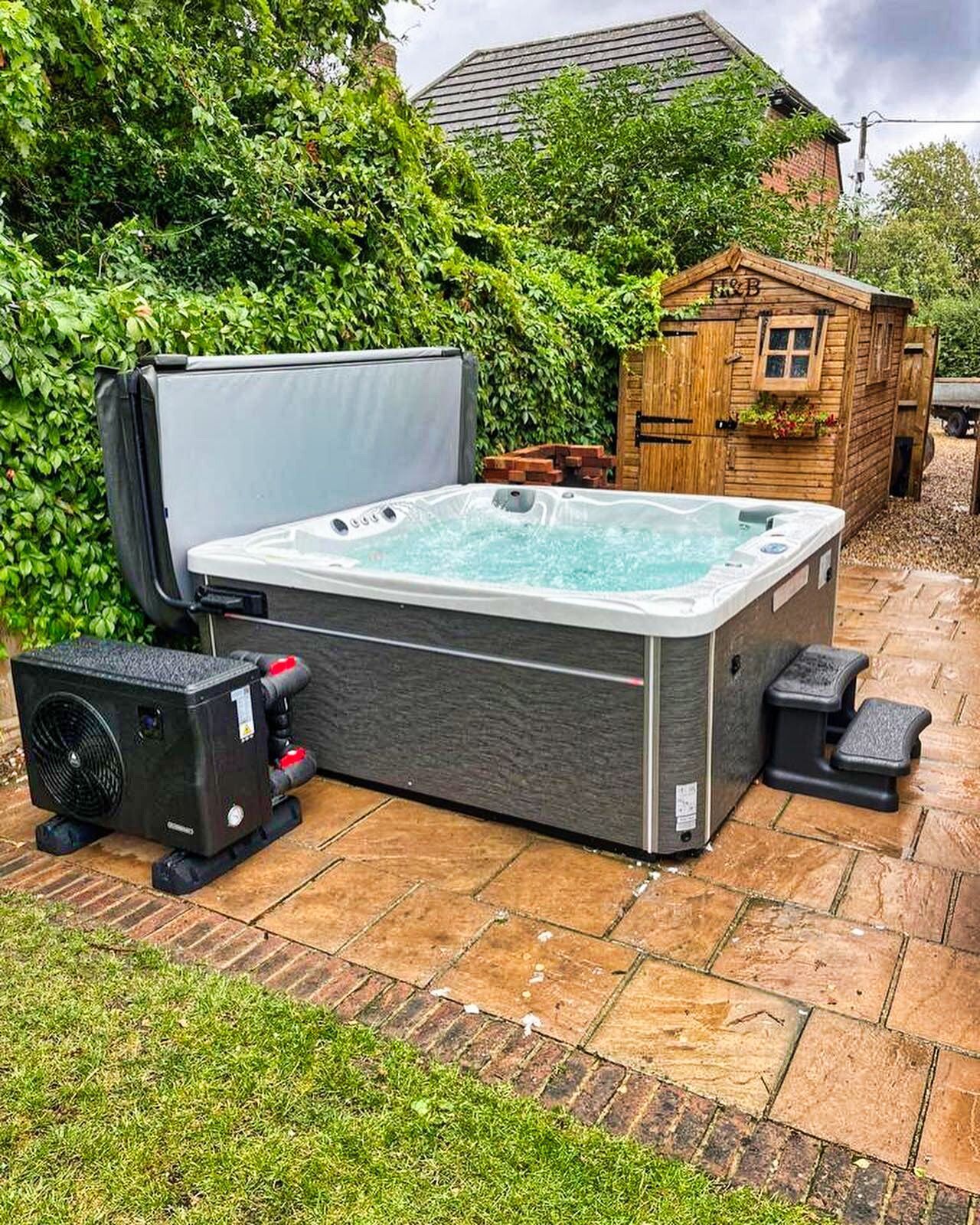
Yes! An air source heat pump moves heat from the air into your water and can be far more efficient than a standard electric heater, making it one of the smartest upgrades for larger tubs and swim spas. Luso Spas supplies and supports air source heat pumps, so ask our team about options for your spa.
Other Running Costs to Plan For
- Chemicals: Sanitiser, pH balancers and shock treatments, typically a modest monthly cost.
- Filters: Rinse regularly and replace as needed, usually once or twice a year.
- Water changes: Most tubs need refilling every 3 to 4 months, costing very little in water.
- Servicing: A professional service keeps your spa efficient and catches faults early.
13A Plug-and-Play vs 32A: Does It Affect Cost?
The connection type affects performance and installation, not the price of each unit of electricity. 13A plug-and-play tubs are easy to install and heat steadily, while 32A tubs can run the heater and jets together. Both can be efficient when well insulated. Check our electrical and delivery information for requirements.
10 Ways to Cut Your Running Costs
- Keep the cover on whenever the tub is not in use.
- Replace a damaged or waterlogged cover.
- Lower the temperature when you are away.
- Use a thermal blanket under the cover.
- Add a windbreak, fence or pergola.
- Run filtration during off-peak hours if your tariff allows.
- Clean filters regularly so pumps work less hard.
- Keep water balanced so equipment stays efficient.
- Consider an air source heat pump.
- Book regular professional servicing.
Frequently Asked Questions
How much does it cost to run a hot tub per month in the UK?
Typically around £30 to £90 in electricity for a modern insulated tub, plus chemicals and filters.
Is a swim spa more expensive to run than a hot tub?
Usually yes, because of the larger water volume and more powerful equipment.
What is the biggest factor in running costs?
Insulation and the cover, followed by temperature and usage.
Can I reduce costs with a heat pump?
Yes, heat pumps can greatly reduce heating costs, especially on swim spas.
Talk to Luso Spas
Want a tub that is quick to heat and kind to your bills?
Luso Spas offers quality hot tubs and swim spas, heat pumps, expert servicing and repairs.
Contact us on 01773 875 081 or info@lusospas.co.uk and we will help you find the right spa and keep it running efficiently.